Somewhere in the first weeks of practice, the fire catches.
Not a blaze. A small steady heat — in the body, in the breath, in the willingness to come back the next morning and do it again. The word for it is tapas, and it means heat. The yogis did not choose a gentle word for it.
The Fire That Warms
Tapas is the inner fire that burns away what is not needed. It is not the same thing as strain, and it is certainly not the same thing as pain kept in store for later. It is closer to what a fire is for a person in a cold room. It does not punish the wood. It warms it until the wood gives up what it was carrying.
This is why the Bhagavad Gita puts karma yoga, the yoga of action done well, at the centre of ordinary life — and why it names tapas among the disciplines that kindle the heat.
Yoga is skill in action.
The line is not a slogan for effort. It means that the heat comes from the doing, done without hatred of the doing.
Feed the same fire wrongly and you get what you recognise instead: rigidity, self-scolding, the heat turned inward until it burns whoever is nearest. The flame has not changed into another kind of flame. Only the fuel has — and the fuel is your motive.
Not Punishment. Care.
A fire that is fed is useful. A fire that is flogged goes out.
Self-punishing discipline is not discipline. It is negotiation with self-worth — the belief that if you suffer enough, you will finally deserve to rest. Many of us learned this somewhere. It shows up in practice as harshness: the long hold that is really a sentence, the breath forced rather than followed, the comparison that turns the mat into a courtroom.
Kindness is not the opposite of rigour. It is the fuel.
Tending, Not Forcing
A flame needs air. A practice needs room. Leave a little space around the asana and it becomes a conversation instead of a contest. Leave a little space around a difficult day and it becomes information instead of a verdict.
- Show up at the same hour, without the same ambition.
- Do less of it, and do that with attention.
- End the practice while you are still willing to return.
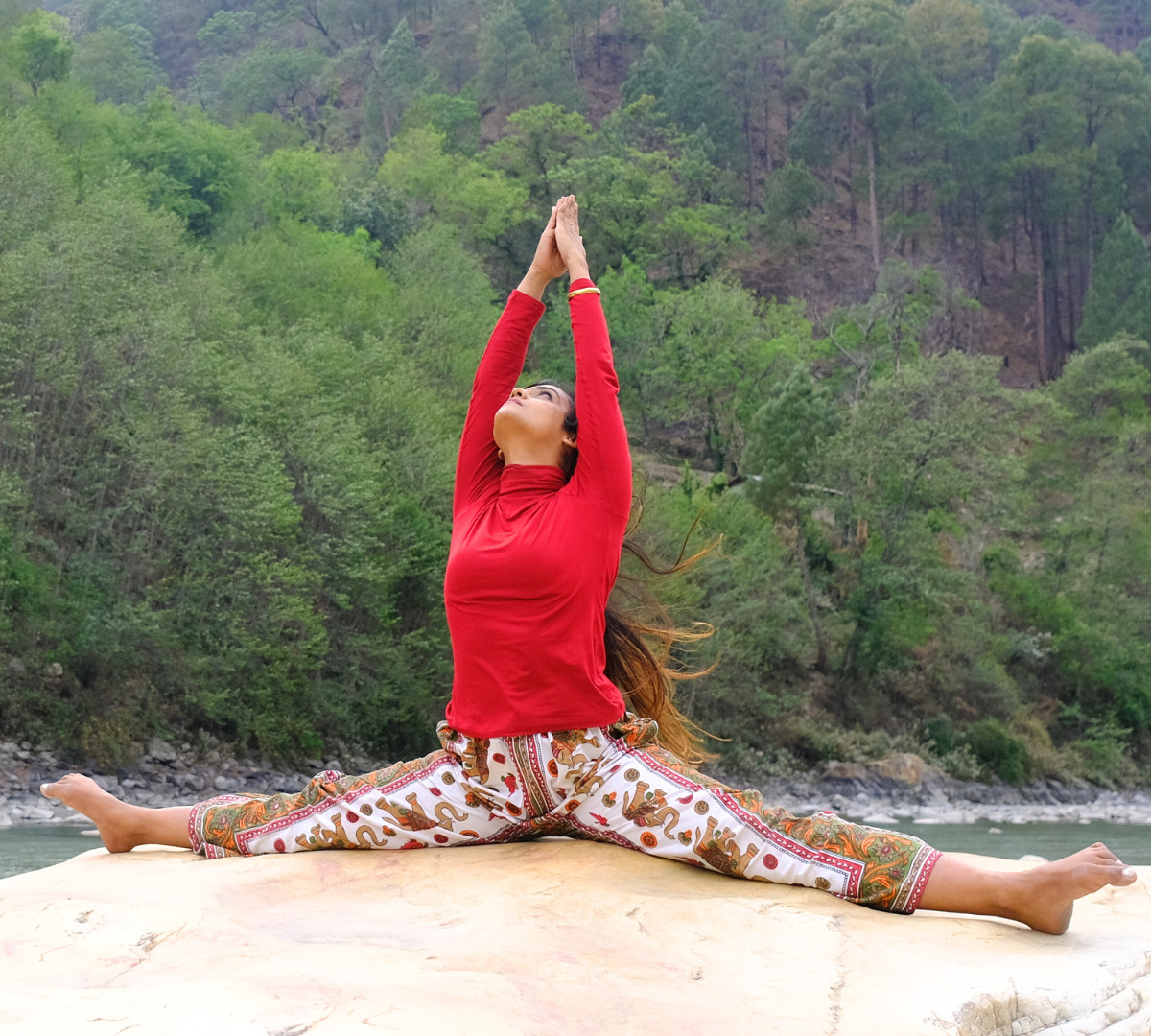
The body is where the fire is lit first. You cannot hold stillness of mind on a spine you have never once asked anything of. Asana — the steady, repeated shape of the body — is not preparation for something else. It is the practice itself, done daily, in the plain light of an ordinary room.
And then the river. It does not hurry and it does not stop. It goes on being itself, and it wears the stone, and it never once loses the current.
The discipline of a whole life is made of repetitions nobody applauds: the early hour, the water, the food kept simple, the phone put in another room. These are neither punishments nor achievements. They are the fire being fed.
Keep The Fire
Feed it with what is true rather than what is harsh. It will not always burn brightly. Some days it is only a small flame in a cold room, and that is enough to cook by.